


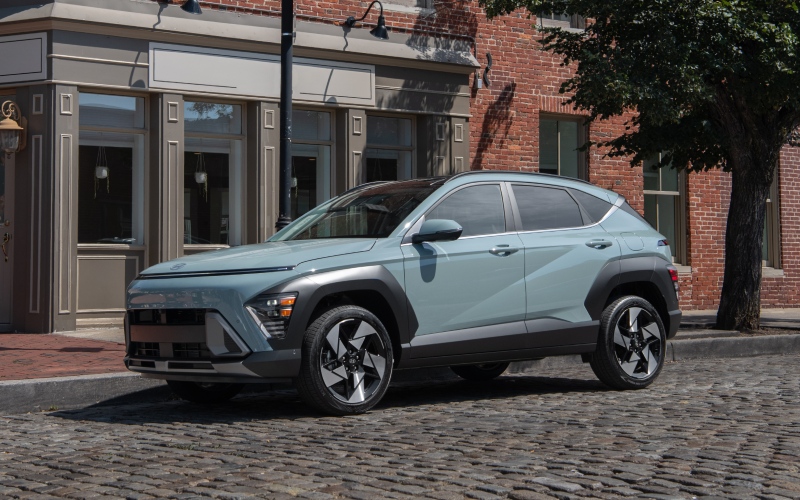
Jones Bel Air Hyundai - Does the 2027 Hyundai KONA Have Enough Cargo Room for Glen Burnie, MD Daily Driving?
The 2027 Hyundai KONA offers the kind of cargo flexibility that fits many daily routines around Glen Burnie, MD, especially for drivers who want a small SUV that feels easy to park but still useful for errands, commuting, family schedules, and weekend plans. Cargo space is often one of the most important details shoppers compare, because a vehicle can look great online but still needs to work for real life. The KONA answers that need with 25.5 cubic feet of cargo capacity behind the rear seats and up to 63.7 cubic feet with the rear seats folded down.
Those numbers matter because Glen Burnie drivers often balance multiple types of driving in a single week. A weekday may include office commuting, school drop-offs, grocery runs, gym bags, and a stop near Marley Station or along Ritchie Highway. Then the same vehicle may need to handle luggage, home supplies, sports gear, or pet items. The 2027 KONA is designed to adapt without forcing shoppers into a larger SUV than they want.
How Much Cargo Space Does the 2027 KONA Provide?
Hyundai lists the 2027 KONA with 25.5 cubic feet of cargo capacity with the rear seats up. That is the space most owners will use every day, and it gives the KONA a practical advantage over smaller hatchbacks or sedans when carrying taller or bulkier items. With the rear seats folded, cargo capacity expands to 63.7 cubic feet, creating a more open load area for larger items.
The KONA also includes a dual level cargo floor across the lineup. That detail is easy to overlook, but it can be very useful. A dual level floor can help drivers create a flatter loading surface or organize cargo more cleanly depending on the item. For grocery bags, folded strollers, work equipment, luggage, and household supplies, this flexibility can make the difference between a simple loading experience and an awkward one.
Why the 60/40 Split Rear Seat Matters
Every 2027 KONA includes a 60/40 split flat rear seatback with adjustable head restraints and a recline function. The split-folding layout is valuable because it lets drivers carry both passengers and longer cargo at the same time. Instead of choosing between using the full second row or folding everything down, owners can fold one side while keeping another seating position available.
That setup works well for everyday Glen Burnie routines. If a driver needs to pick up a long box, sports equipment, or a compact piece of furniture while still carrying a passenger, the 60/40 split seat helps make it possible. The recline function also adds comfort for rear-seat passengers when the cargo area is not maxed out. Hyundai designed the KONA cabin to be functional, not just stylish, and the rear-seat layout is a big part of that.
Everyday Items the KONA Can Handle
Online shoppers often want to know what cargo numbers mean in practical terms. While exact fit depends on the size and shape of the item, the KONA’s cargo area is well suited for common daily needs. It is not trying to be a large three-row SUV, but it gives small SUV shoppers a smart mix of space and maneuverability.
- Grocery runs: The rear cargo area offers useful space for weekly groceries, bulk items, and reusable bags.
- Commuting gear: Laptop bags, backpacks, lunch coolers, presentation materials, and gym bags fit easily behind the second row.
- Family items: The cargo area can support school bags, sports gear, folded strollers, and day-trip supplies.
- Home errands: Folding the rear seats creates room for boxed household goods, small furniture pieces, and storage bins.
- Travel packing: With the rear seats up or folded, the KONA can adapt for luggage, duffel bags, and road-trip essentials.
The practical takeaway is that the KONA gives drivers more usable cargo space than its compact exterior may suggest. For many shoppers, that is exactly the appeal: it feels manageable in traffic and parking areas, yet it can still handle a wide range of daily cargo demands.
Passenger Space Still Matters
Cargo room is only one part of the equation. The 2027 KONA also provides a well-packaged passenger area with 101.2 cubic feet of passenger interior volume, or 99.0 cubic feet with the available sunroof. Front leg room measures 41.7 inches, and rear leg room measures 38.2 inches. Those dimensions help the KONA feel comfortable for front and rear occupants while still offering meaningful cargo space behind the second row.
For shoppers moving from a sedan, the added cargo height and folding rear seat can make everyday use feel more versatile. For shoppers downsizing from a larger SUV, the KONA may feel refreshingly easy to maneuver while still offering enough room for common needs. The key is balance. Hyundai did not simply create cargo room at the expense of passengers; the KONA is shaped to serve both.
Available Convenience Features That Help With Cargo
The Limited trim adds a Hands-free Smart Liftgate w/ Auto Open, which can be especially helpful when approaching the vehicle with bags or items in hand. Limited models also include a fixed cargo cover, adding privacy for items stored in the rear area. Across the lineup, cargo tie-down anchors help secure items more confidently, and door storage pockets plus bottle holders throughout the cabin support smaller everyday items.
These details can make ownership feel easier. Cargo space is not just about cubic feet; it is about how simple the vehicle is to use when life gets busy. A wide-opening liftgate, configurable rear seats, a dual level cargo floor, and smart storage throughout the cabin help the 2027 KONA feel ready for errands, commuting, and daily family use.
How to Test Cargo Space Before Buying
A good test drive should include more than steering feel and acceleration. If cargo room is a major buying factor, shoppers should physically test the KONA with real items whenever possible. Bringing a stroller, golf bag, work case, cooler, folded chair, or storage bin can quickly show how well the cargo area matches daily needs.
- Measure key items: Know the approximate length, width, and height of the largest items you carry often.
- Test the rear seats up: Confirm the 25.5 cubic feet of cargo space works for normal errands.
- Fold the 60/40 rear seat: Try loading longer items while keeping one seating position available.
- Check floor height: Use the dual level cargo floor to see which setting works best for loading and unloading.
- Review visibility: Make sure cargo does not block rear visibility or interfere with safe driving.
Taking these steps helps shoppers make a confident decision. A compact SUV can be a perfect fit when its cargo area matches everyday patterns, and the KONA gives buyers several ways to configure the space.
Frequently Asked Questions:
Is the 2027 Hyundai KONA large enough for a small family?
Yes, the KONA can work well for small families that want a compact SUV with flexible cargo space and a usable second row. It seats five, includes 60/40 split rear seats, and offers up to 63.7 cubic feet of cargo capacity with the rear seats folded.
Does every 2027 KONA include the dual level cargo floor?
Yes, Hyundai lists the dual level cargo floor as standard across the 2027 KONA lineup. This helps drivers adjust the rear cargo area based on the type of items being carried.
Which 2027 KONA trim is best for cargo convenience?
The Limited trim is especially appealing for cargo convenience because it adds Hands-free Smart Liftgate w/ Auto Open and a fixed cargo cover. However, all trims include the core cargo benefits of the split-folding rear seat and dual level cargo floor.
Can the 2027 KONA carry both passengers and longer cargo?
Yes. The 60/40 split rear seatback allows one side of the rear seat to fold while the other side remains available for a passenger. That makes it easier to carry longer items without giving up the entire second row.
The 2027 Hyundai KONA offers a strong answer for shoppers asking whether a compact SUV can still be practical. With 25.5 cubic feet behind the rear seats, 63.7 cubic feet with the seats folded, a dual level cargo floor, and smart available convenience features, it fits a wide range of daily driving needs around Glen Burnie, MD. It remains easy to park and maneuver, yet it has enough flexibility to make errands, commuting, and family schedules feel more manageable.
For in-market shoppers, the best next step is to evaluate the KONA in person and test the cargo area with real items. The numbers are helpful, but the everyday usability is what often makes the decision clear. The 2027 KONA is a smart choice for drivers who want space, technology, and confidence in a small SUV package.
Request more 2027 Hyundai KONA information
Categories:
Hyundai Kona
